Why North Texas Lawns, Trees & Shrubs Need Help Before Spring
October 7, 2026

The Right Seed for North Texas — What Actually Works Here
Not all seed performs well in North Texas heat.
This is one reason many big-box store seed blends fail.
They’re often designed for broader climates instead of our specific conditions.
For sunny lawns:
- Bermuda remains one of the strongest performers
- heat tolerance is excellent
- recovery speed is fast
But seed quality matters significantly.
Lower-quality seed often leads to:
- uneven texture
- inconsistent color
- patchy growth
Bermuda Varieties for North Texas
Fertilization Timing
Proper fertilization supports:
- root establishment
- healthy early growth
- color improvement
But too much fertilizer too soon can stress immature seedlings.
Balanced timing is critical.
North Texas weather can be hard on lawns, trees, shrubs and landscape plants. After a long stretch of extreme heat, many yards are already stressed before cooler weather ever arrives. Then, as the season changes and rain becomes more common, lawns and landscapes can go from one extreme to another. That shift can create the perfect conditions for fungus, insects and plant health problems.
For homeowners in Sanger, Denton County, Cooke County, Montague County and surrounding North Texas communities, the most important thing to understand is timing. Many lawn, tree and shrub problems do not suddenly begin in spring. They often start during the cooler, wetter months when stressed turf, weakened trees, insect eggs and plant diseases have time to develop.
That is why seasonal treatment before spring can make such a difference.
Cool, Rainy Weather Can Create Lawn Fungus Problems
When a lawn has been through intense heat, drought stress or inconsistent watering, it may already be weak below the surface. Once cooler, rainy weather moves in, excess moisture can sit in the turf and create conditions where fungus becomes more active.
Lawn fungus may show up as brown patches, thinning areas, circular spots, discoloration or grass that seems to decline even though the yard is being maintained. In some cases, the damage can spread if the problem is not addressed early.
Waiting until spring may allow fungus to become more established. By that point, the lawn may already be weakened, and treatment may not be as effective as it would have been during the active problem window. A seasonal lawn fungus application can help control disease pressure and give the turf a better chance to recover.
For North Texas lawns, this is especially important because weather patterns can change quickly. One month may bring intense heat and dry conditions, while the next brings cool rain and moisture. That back-and-forth stress can make lawns more vulnerable.
Insects Can Create Problems Before You See Them
Many homeowners think of insect problems as a spring or summer issue, but insects can cause problems long before visible damage appears. During cooler months, insects can overwinter on trees, shrubs and landscape plants. Some pests can lay eggs that hatch when temperatures warm up in spring.
If those insects are not addressed early, they may already be active by the time new spring growth appears. Aphids and other insects can feed on tender plant tissue, weaken shrubs and damage ornamental plants. Once populations increase, they can become more difficult to manage.
Dormant oil and winter insecticide applications are designed to help reduce insect pressure before spring activity becomes more noticeable. These treatments are commonly used on trees, shrubs and landscape plants while they are in a less active growth stage. The goal is to help reduce overwintering insects and eggs before they create larger problems later.
This is an important seasonal service for homeowners who want to protect their landscape before new growth begins.
Trees & Shrubs Are Still Recovering From Heat Stress
Trees and shrubs may look strong from the outside, but extreme heat can cause stress below the surface. Root systems can struggle when soil is dry, compacted or lacking the nutrients needed to support healthy growth. Even after temperatures cool down, trees and shrubs may still need help recovering.
Signs of stressed trees and shrubs can include thinning foliage, discoloration, early leaf drop, slow growth, weak-looking branches or plants that simply do not look as full and healthy as they should. In some cases, the problem starts at the root level before the plant shows obvious signs above ground.
Deep root feeding is designed to support trees, shrubs and landscape plants where they need it most. This process uses a long soil probe to inject liquid nutrients directly into the ground near the root zone. Instead of only treating the surface, deep root feeding places nutrients where the plant can better absorb them.
For stressed North Texas trees and shrubs, this can help support recovery, improve nutrient uptake and prepare the plant for the next growing season.
Why Deep Root Feeding Matters Before Spring
Spring growth depends on the condition of the plant before spring arrives. If a tree or shrub enters the growing season already stressed, weak or nutrient-deficient, it may struggle to produce healthy new growth.
Deep root feeding can be especially beneficial after a hot summer because it helps support the root system during an important recovery period. This is useful for ornamental trees, shade trees, shrubs, landscape beds and plants that have been weakened by heat, poor soil conditions or environmental stress.
For properties throughout North Texas, deep root feeding is not just about making plants look better right away. It is about helping them recover below the surface so they are better prepared for seasonal changes.
Seasonal Services to Consider
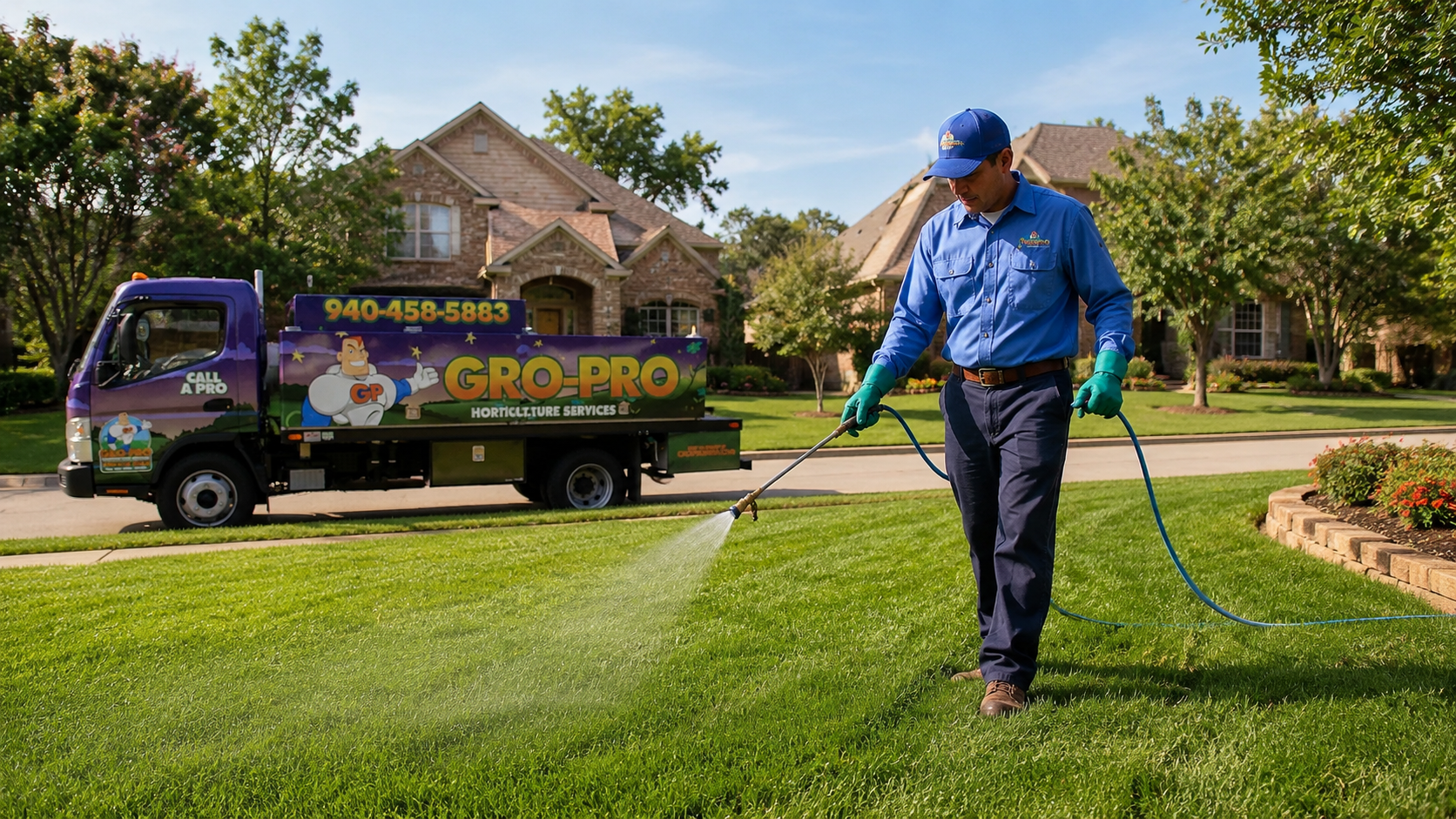
If your lawn or landscape has been through North Texas heat and is heading into a cool, wet season, these services may be worth considering:
Lawn fungus control to help manage disease pressure in stressed turf.
Deep root feeding to support trees, shrubs and landscape plants below the surface.
Dormant oil applications to help reduce overwintering insects and eggs.
Outdoor insect control to help manage pests around lawns, shrubs, landscape beds and outdoor living areas.
Aphid control to protect tender new growth on trees, shrubs and ornamental plants.
Every property is different, so the right treatment plan depends on the condition of your lawn, trees, shrubs and landscape beds.