

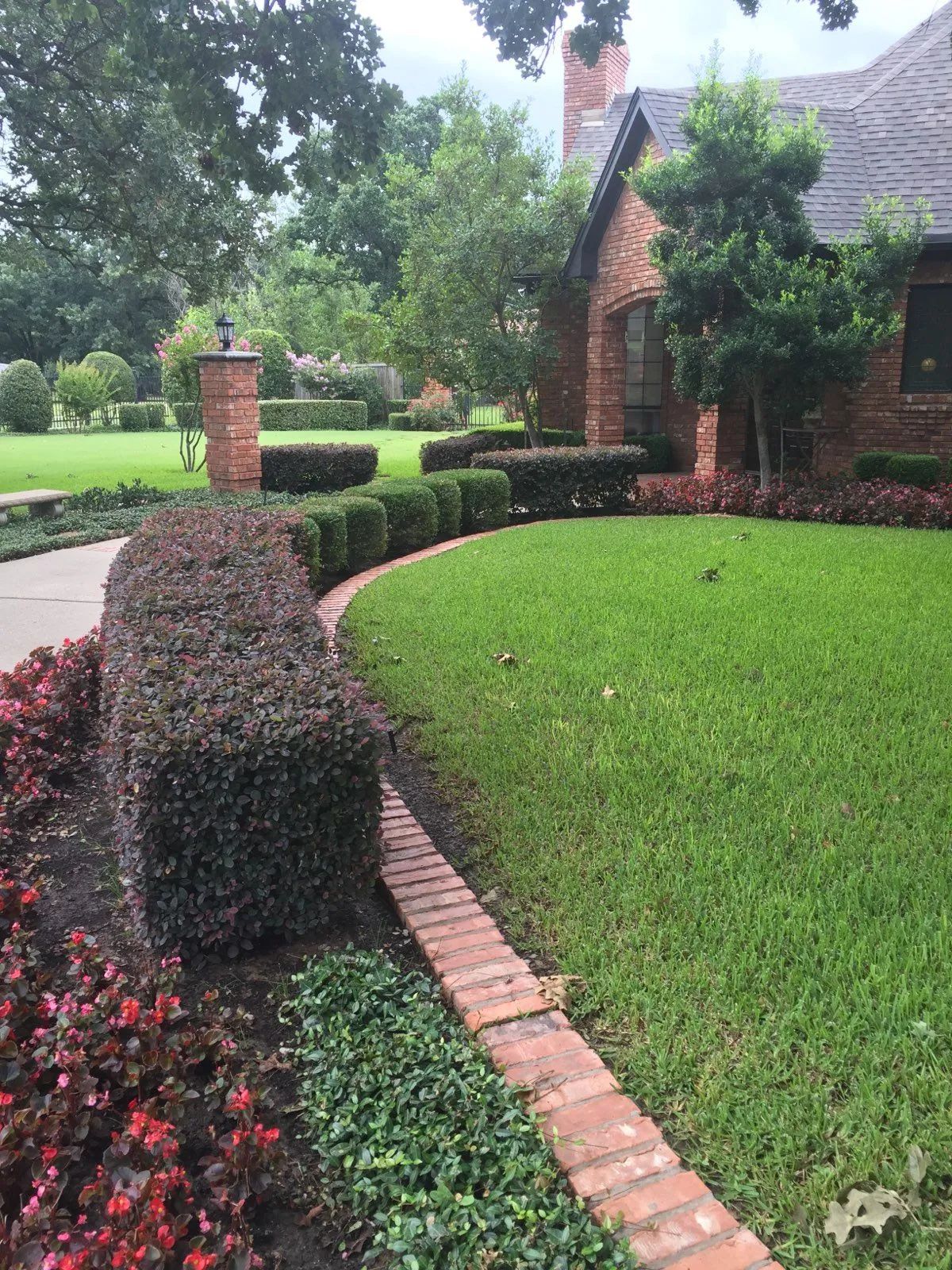
Why Soil Health Is the Foundation of a Healthy North Texas Lawn

May 26, 2026

A healthy lawn doesn’t start with fertilizer, weed control, or watering schedules — it starts with the soil. In North Texas, where weather extremes, compacted ground, and nutrient imbalances are common, soil health plays a critical role in how well your lawn grows and recovers.


At Gro-Pro Horticulture Services, we believe lawn care is a science. Every service we provide begins with understanding the soil beneath your lawn and how it supports long-term turf health.

Why Soil Health Matters More Than Grass Appearance

Green grass doesn’t always mean healthy grass. Many lawns appear fine on the surface while struggling below ground due to:


  • Compacted soil restricting root growth
  • Poor nutrient availability
  • Imbalanced pH levels
  • Limited oxygen and water movement


When soil conditions are unhealthy, grass becomes more vulnerable to weeds, insects, disease, and seasonal stress.

Common Soil Challenges in North Texas

Lawns in areas like Sanger, Denton, and Argyle face several regional challenges:


  • Clay-heavy soil that compacts easily
  • Extreme heat followed by sudden cold snaps
  • Inconsistent rainfall patterns
  • Nutrient depletion from repeated mowing and growth cycles


Without addressing these issues at the soil level, surface treatments only provide temporary improvement.

How Soil Health Affects Turf Growth

Healthy soil supports:


  • Strong root development
  • Efficient nutrient absorption
  • Improved water retention and drainage
  • Better resistance to stress, weeds, and pests


When roots can grow deep and access nutrients properly, turf becomes thicker, greener, and more resilient.

Why Lawn Soil Testing Is Essential

Soil testing provides valuable insight into:


  • Nutrient deficiencies or excesses
  • Soil pH balance
  • Organic matter levels
  • Overall soil structure


Rather than guessing, professional soil evaluations allow for targeted treatments that correct problems at their source.

Building Lawn Health From the Roots Up

At Gro-Pro, we don’t rely on quick fixes or blanket treatments. Our approach focuses on:


  • Improving soil structure through aeration
  • Restoring nutrient balance with science-based fertilization
  • Addressing environmental and seasonal stressors
  • Preventing long-term decline through proactive care


This systems-based approach creates lawns that perform better year after year.

Long-Term Benefits of Healthy Lawn Soil

When soil health is prioritized, homeowners experience:


  • More consistent color and growth
  • Reduced weed and insect pressure
  • Improved drought and heat tolerance
  • Lower need for corrective treatments


Healthy soil supports sustainable, cost-effective lawn care.

Final Thoughts

If your lawn struggles despite regular treatments, the issue likely lies beneath the surface. Soil health is the foundation of turf performance, resilience, and long-term success.


Gro-Pro Horticulture Services helps North Texas homeowners build stronger lawns by addressing soil health first — creating solutions that work with nature, not against it.

October 7, 2026
North Texas weather can be hard on lawns, trees, shrubs and landscape plants. After a long stretch of extreme heat, many yards are already stressed before cooler weather ever arrives. Then, as the season changes and rain becomes more common, lawns and landscapes can go from one extreme to another. That shift can create the perfect conditions for fungus, insects and plant health problems. For homeowners in Sanger, Denton County, Cooke County, Montague County and surrounding North Texas communities, the most important thing to understand is timing. Many lawn, tree and shrub problems do not suddenly begin in spring. They often start during the cooler, wetter months when stressed turf, weakened trees, insect eggs and plant diseases have time to develop.  That is why seasonal treatment before spring can make such a difference.
Blue hand truck with red wheels on a grassy lawn
May 26, 2026
When the temperature dips below freezing in North Texas, your lawn, trees, and landscape plants are at risk — especially if they aren’t prepared.

Curved concrete sidewalk beside brown grass, shrubs, and trees on a cloudy day
May 26, 2026
A great lawn doesn’t start with green grass — it starts with healthy soil.
October 7, 2026
North Texas weather can be hard on lawns, trees, shrubs and landscape plants. After a long stretch of extreme heat, many yards are already stressed before cooler weather ever arrives. Then, as the season changes and rain becomes more common, lawns and landscapes can go from one extreme to another. That shift can create the perfect conditions for fungus, insects and plant health problems. For homeowners in Sanger, Denton County, Cooke County, Montague County and surrounding North Texas communities, the most important thing to understand is timing. Many lawn, tree and shrub problems do not suddenly begin in spring. They often start during the cooler, wetter months when stressed turf, weakened trees, insect eggs and plant diseases have time to develop.  That is why seasonal treatment before spring can make such a difference.
Blue hand truck with red wheels on a grassy lawn
May 26, 2026
When the temperature dips below freezing in North Texas, your lawn, trees, and landscape plants are at risk — especially if they aren’t prepared.
Curved concrete sidewalk beside brown grass, shrubs, and trees on a cloudy day
May 26, 2026
A great lawn doesn’t start with green grass — it starts with healthy soil.
Show More