

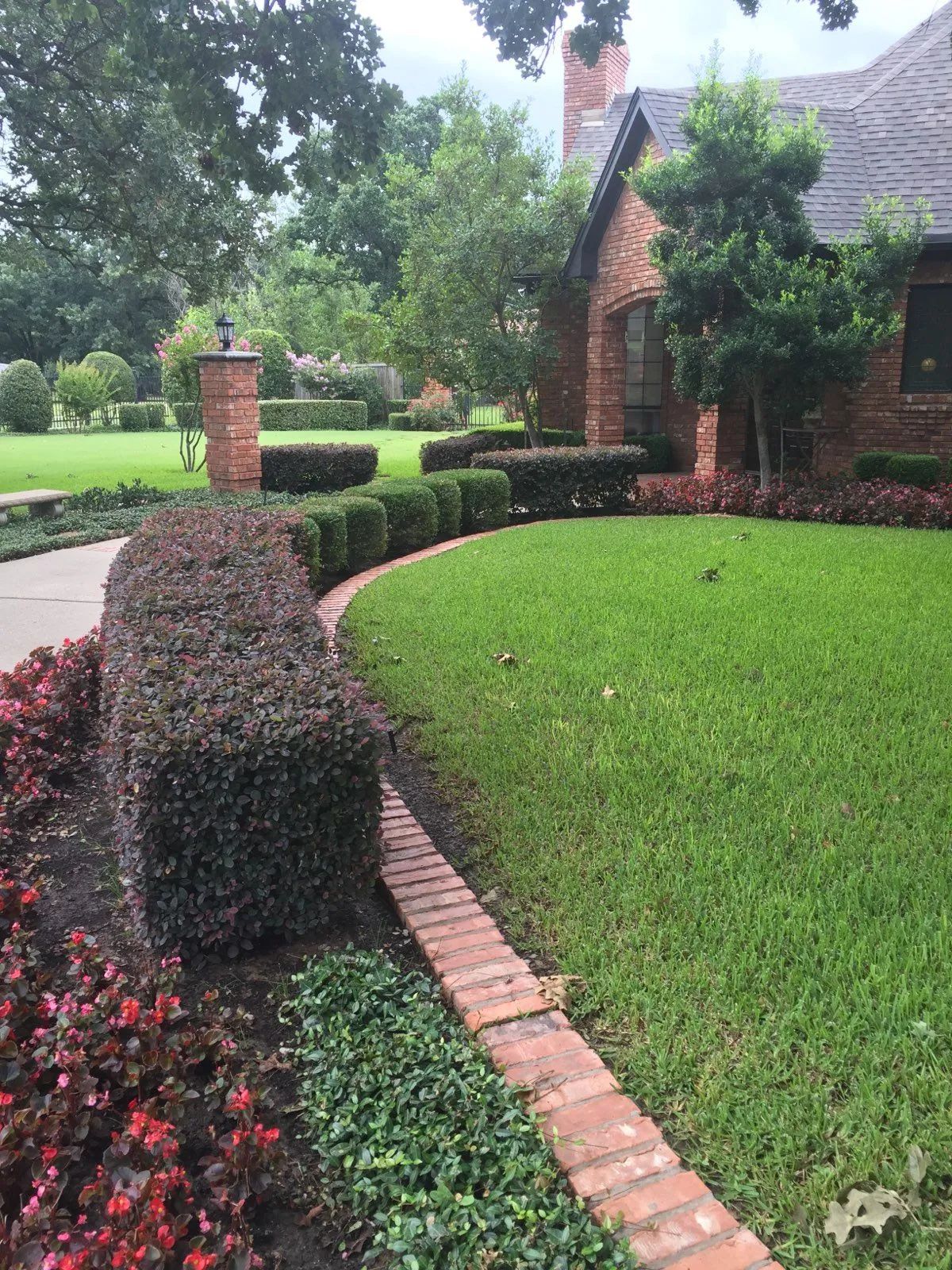
North Texas weather can be hard on lawns, trees, shrubs and landscape plants. After a long stretch of extreme heat, many yards are already stressed before cooler weather ever arrives. Then, as the season changes and rain becomes more common, lawns and landscapes can go from one extreme to another. That shift can create the perfect conditions for fungus, insects and plant health problems. For homeowners in Sanger, Denton County, Cooke County, Montague County and surrounding North Texas communities, the most important thing to understand is timing. Many lawn, tree and shrub problems do not suddenly begin in spring. They often start during the cooler, wetter months when stressed turf, weakened trees, insect eggs and plant diseases have time to develop. That is why seasonal treatment before spring can make such a difference.

A healthy lawn doesn’t start with fertilizer, weed control, or watering schedules — it starts with the soil.

A great lawn doesn’t start with green grass — it starts with healthy soil.
North Texas weather can be hard on lawns, trees, shrubs and landscape plants. After a long stretch of extreme heat, many yards are already stressed before cooler weather ever arrives. Then, as the season changes and rain becomes more common, lawns and landscapes can go from one extreme to another. That shift can create the perfect conditions for fungus, insects and plant health problems. For homeowners in Sanger, Denton County, Cooke County, Montague County and surrounding North Texas communities, the most important thing to understand is timing. Many lawn, tree and shrub problems do not suddenly begin in spring. They often start during the cooler, wetter months when stressed turf, weakened trees, insect eggs and plant diseases have time to develop. That is why seasonal treatment before spring can make such a difference.
A healthy lawn doesn’t start with fertilizer, weed control, or watering schedules — it starts with the soil.
A great lawn doesn’t start with green grass — it starts with healthy soil.