
LOCALLY OWNED. LICENSED AND INSURED.
Lawn Care Service in Providence Village, TX
Fertilization, weed control, aeration and pest treatments, built around North Texas soil, weather and grass.
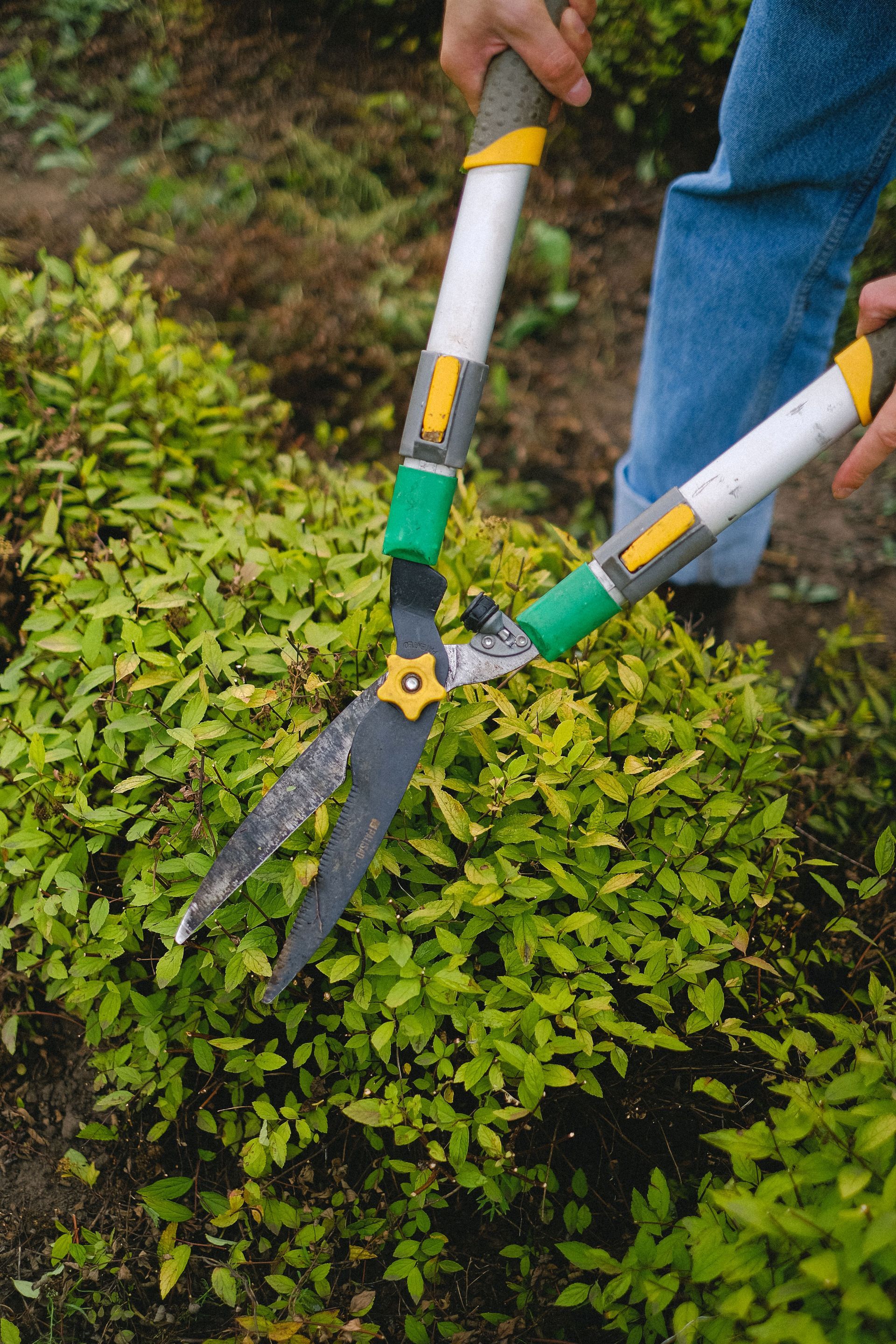
A Providence Village lawn spends its year on a loop. Summer heat leaves the grass stressed, cool autumn rain follows, and spring brings a fresh crop of weeds. Each stage calls for a different treatment, which is why one-size-fits-all lawn care falls short.
Beneath the blades, the picture gets more specific. Nutrients have to be matched to the grass, weeds have to be hit at the right growth stage, and compacted ground has to open up so water and air reach the roots. Trees and shrubs run on their own track, with nutrition aimed straight at the root zones to improve uptake.
When you're ready for lawn care service in Providence Village, TX, Gro-Pro Horticulture Services starts by looking at your turf, trees and shrubs and explaining what each one needs. We use tank-applied liquid treatments, so fertilization, weed control and insect treatments reach the right spots with greater consistency and care. Tell us what you're seeing in your yard and we'll build from there.
Treatments for Every Layer of a Providence Village Yard
What Your Yard Is Telling You
Pale grass, stubborn weeds, standing water and thinning shrubs each point to a different cause below the surface.
1
Nutrients That Get Locked Out
North Texas soils are often alkaline and prone to nutrient lockout, so grass can look pale and uneven even when it's fed. Formulation and timing decide what roots can use, which is why each grass variety gets its own lawn fertilization program.
2
Weeds With Names and Habits
Crabgrass, dallisgrass, clover, henbit, dandelions and nutsedge each need their own answer. The right weed control depends on the species, the season and whether the weed is growing or still germinating.
3
Signs of Compaction
Water pooling after rain, slow growth despite regular fertilization and bare patches that won't fill in all point below the surface. Core aeration pulls actual plugs from the soil to open channels, and the plugs break down naturally on the lawn.
4
Trouble Beneath Trees and Shrubs
What our customers have to say...
Testimonials
How the Treatments Back Each Other Up
Aeration plus feeding
Open soil channels carry liquid fertilization deeper, and with weeds held in check, those nutrients go to your grass instead of to competing plants. Each treatment improves the results of the next.
Pests above and below
Fungus watch
Heat, drought, compacted soil and insect pressure weaken turf, and cool, rainy weather then supplies the moisture fungus needs. Lawn fungus control goes on during the active problem window, when treatment works best.
Matched timing
Fertilization follows the grass and the season, weed control follows weed growth, and aeration follows ground conditions in Providence Village yards. Because each treatment answers a different need, none of them lands when the turf can't put it to use.
A Local Look at Lawn Care Service in Providence Village, TX
Providence Village sits in east central Denton County and is largely a master-planned community of approximately 1,700 homes and 7,691 residents counted in 2020. Cape Cod and Craftsman-style homes sit behind front lawns, trees and shrubs that frame every street. Denton County has a humid subtropical climate with hot summers and relatively mild winters, and July highs average about 95 degrees. Lawns, trees and shrubs all take that summer stress, which fertilization is meant to answer.
The county's eastern portions reach into the Blackland Prairie, a region of clay soils with high shrink-swell and higher runoff, where tallgrass prairie with scattered groves of live oak once grew. Clay hardens and compacts, so lawn aeration matters for local turf. Warm-season turf breaks dormancy as soil temperatures rise in spring, and tropical maritime air shapes the long stretch from spring through fall, which sets up fungus when cool rain follows a hot summer.

What Providence Village Homeowners Can Expect From Lawn Care Service

Expect a conversation before a treatment. We look at your lawn's condition, weed pressure, soil needs, plant health and seasonal timing before recommending anything. Your options get explained in plain language, with service focused on long-term results instead of a quick green-up that fades. Lawns here benefit from fertilization several times a year because grass moves through growth, stress and recovery in every season. Each service builds on the last, so over several seasons the grass handles heat, drought and weed pressure better than a lawn without a consistent care routine.
We're licensed and insured, locally owned and backed by over 50 years of experience, and we know the challenges that North Texas weather, soil and seasonal growth patterns bring to a lawn. That background shows in how early we spot problems. Treatments help manage seasonal issues, and results vary with weather, plant and turf conditions, pest or disease activity and application timing, so we'll tell you plainly what to expect.
Frequently Asked Questions
What does tank-applied lawn treatment mean?
Can weed control stop every weed for good?
Does residential lawn care include mosquito treatments?
Which grass types get a customized program in Providence Village?
How does tree and shrub fertilization differ from lawn fertilization?
Why does fall matter for lawn fertilization?
How does lawn fungus show up after a hot summer?
Which pests does outdoor insect control cover?
Talk With Us About Lawn Care Service in Providence Village, TX
Thinning turf, weeds filling in, fire ant mounds or brown circles after the fall rains: describe what you're seeing and we'll point you toward the treatment that fits. Aphids on new growth, ticks in the tall grass along the yard's border or mosquitoes around the patio belong on the list too, so lawn and landscape get covered together. A lawn that looks fine from the street can still be dealing with compacted soil underneath, and a short description of what you've noticed is enough to start.
Get in touch with Gro-Pro Horticulture Services and ask about grass types, weed species, insects or fungus. Tell us how the soil feels underfoot, hard and dry or pooling after rain, and we'll explain what each treatment does before it goes on your lawn. We handle the treatment side of your yard, which spares you from piecing together a care plan on your own.